Eye Contact Is Not Desired
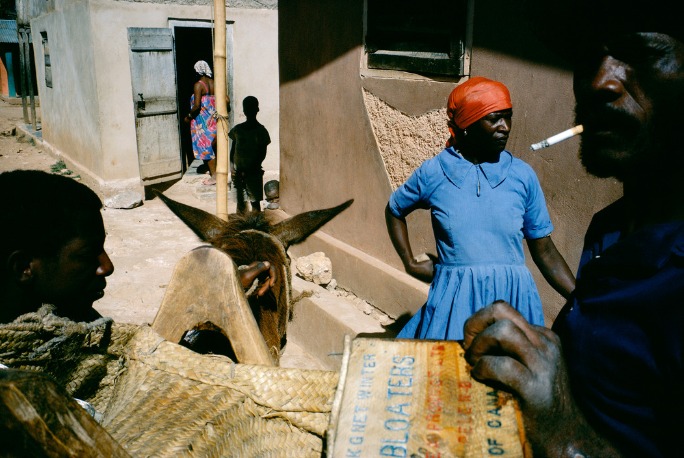
There is a moment every street photographer knows. The fraction of a second when someone notices the camera. When the eyes rise and meet the lens.
That moment kills the photograph for me. It kills my photograph.
Not because of discomfort, or any kind of power dynamic. Because of what the gaze does to the face. In a fraction of a second, the entire body reconfigures itself. The shoulders, the jaw, the expression. The person becomes someone who knows they are being looked at, which is an entirely different person from the one who existed two seconds earlier. They perform something, even involuntarily, even sincerely. They cannot help it. None of us can.
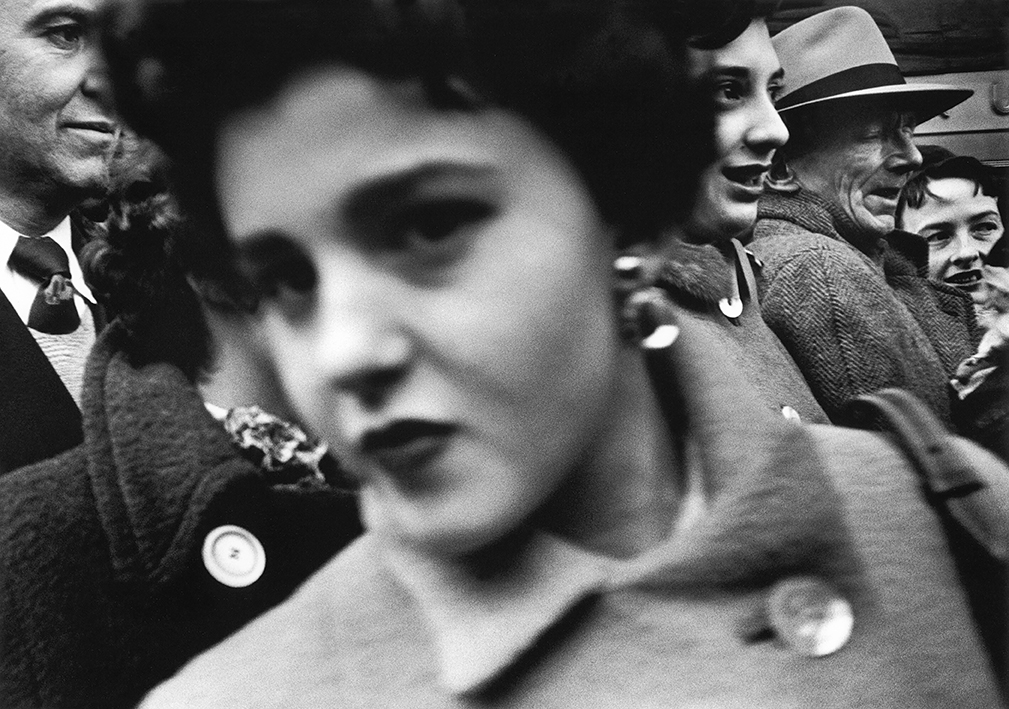
What interests me is the before. The state in which people exist when no one is observing them. The way bodies loosen within urban anonymity, the way the social face drops, the way they are no longer addressed to anyone. That is where I work. In that space of non-representation.
So yes, I keep shooting after the gaze. Sometimes something interesting happens in the reaction: surprise, total indifference, open hostility. But I already know that image probably won’t be part of the series. It documents the encounter. It does not document what I am looking for. I am not looking for the invented truth of a directed gaze. I am looking for my own sensitivity through the lives of others.
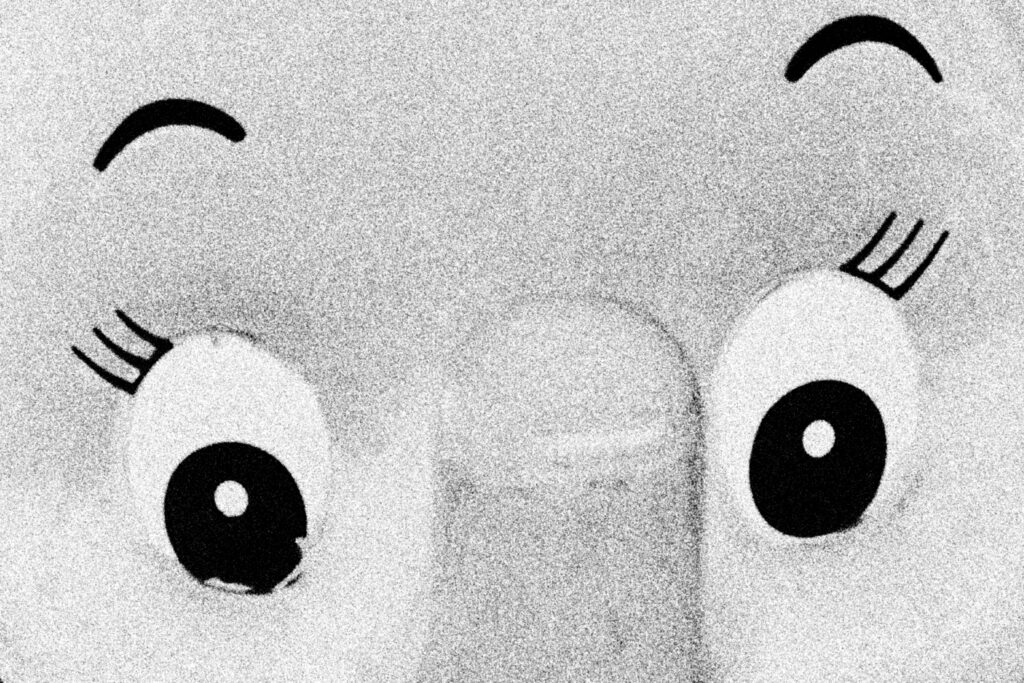
What I am looking for has no name. It is something that exists just before people remember that they exist.
To work in that space, you have to learn not to exist yourself. Or rather, to exist differently, to occupy the street in a way that does not trigger alertness. It is not discretion in the technical sense, not a matter of camera size or neutral clothing. It is an inner posture. When I walk while shooting, I am not searching. I am drifting. There is a physical difference between those two states, and people can feel it. Someone searching for something in the street draws attention without meaning to. Someone drifting blends into the general movement. The city absorbs those who resemble it.
It took me years to understand that. During my first street photography sessions, I would come home with hundreds of images of people looking into the lens. Not because I was shooting badly, but because I was shooting tense. Intention is visible. It shows in the way you walk, stop, anticipate. People do not consciously know what they are detecting, but they detect something.
There is also a question of speed. Not shutter speed, but speed of presence. The right moment in the street rarely lasts more than one or two seconds. What comes before the gaze is often a suspended state: a person between two thoughts, between two destinations, temporarily withdrawn from themselves. These states are brief and fragile. As soon as something interrupts them, including me, they disappear. My work is to be there while they last, not after.
This relationship to time has changed something in the way I see the city. I no longer really move through it. I inhabit it in fragments, through moments of intense attention followed by long stretches of walking where I shoot nothing. The best sessions are often the ones in which I press the shutter the least. Not because I have missed things, but because I was in the right state to recognize what deserved to be photographed and what did not.
The ethical question obviously exists. Photographing people without their knowing, without their explicit consent, in states where they believe themselves to be alone. I am not going to pretend it does not arise. But I think the answer is not in the law or in technique. It is in the intention. What I do with these images, what I say about them, what I build from them. I am not trying to expose people, to catch them in weakness, to document their vulnerability and turn it into a spectacle. I am looking for something universal within particular states. Solitude in the crowd does not belong to anyone in particular. It belongs to everyone. When I photograph someone alone in the middle of a crowded street, I am not photographing that individual. I am photographing a condition I share with them.
This is what has underpinned the entire Sans Contact series from the beginning. The crowd as a paradoxical space where solitude intensifies rather than dissolves. People side by side who do not exist for one another. Bodies close together whose presences do not touch. All of this becomes invisible as soon as someone notices the camera, because the gaze immediately creates a relationship, however brief, however hostile. And a relationship cancels precisely what I am trying to document.
That is why eye contact kills the photograph for me.
Not because it creates a technical or legal problem. Because, for the space of a fraction of a second, it resolves exactly what my work is trying to show.