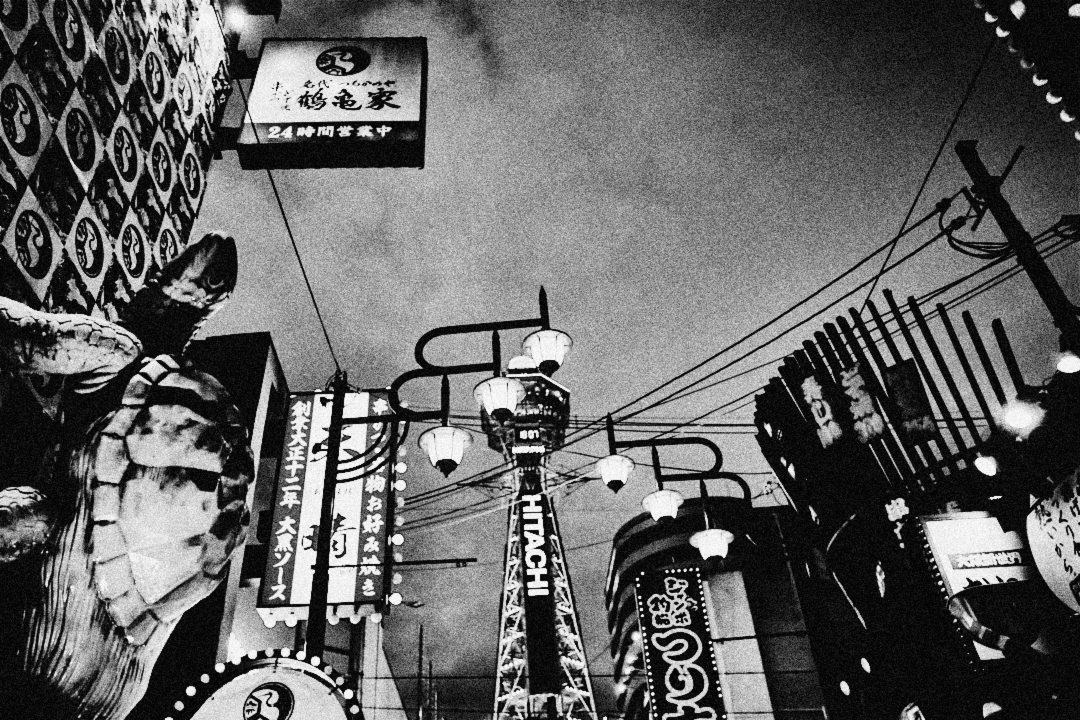
There is a way of spending time in photography that looks like work without actually being work. It’s widespread, carefully structured by an industry that benefits from it, and comfortable enough that people don’t question it for years. It even has a name on specialized forums: Gear Acquisition Syndrome, or GAS. It’s talked about with amused affection, like a charming little flaw. It isn’t a charming flaw. It’s a way of avoiding work.
Here’s what no one says plainly: most people who spend their time comparing camera bodies don’t improve. They accumulate. That’s not the same thing. Accumulation creates the illusion of movement—a new purchase, a new learning phase, a new excuse not to confront what isn’t working in the images. And what isn’t working in the images has never been a question of the sensor.
I went through this myself. From bulky camera bodies to compact systems, a slow shift toward lightness—not out of some declared minimalism, but because what weighs down your bag eventually weighs down your vision. But I’m not here to sell you the philosophy of the small, discreet camera. That’s just another way of talking about gear. And talking about gear is precisely the problem.
What I should have done during all those years of firmware updates and sensor dynamic range comparisons was sit down with books and look. Not manuals. Not technical guides. Photobooks. Objects in which someone has placed their eye, their vision of the world, their singular way of seeing what no one else sees. And to look in silence until something shifts in your own way of seeing.
The retrospective of William Klein teaches you one thing, but it’s fundamental: permission. Klein worked against every aesthetic convention of his time—harsh flash, chaotic framing, aggressive proximity, images technically flawed by all prevailing standards. And yet his New York photographs from the 1950s are among the most alive ever produced. What you understand by looking at them for a long time is not a technique. It’s that there are no rules. That waiting for perfect light, perfect framing, the flawlessly executed decisive moment, is condemning yourself to produce images that anyone else could have made.
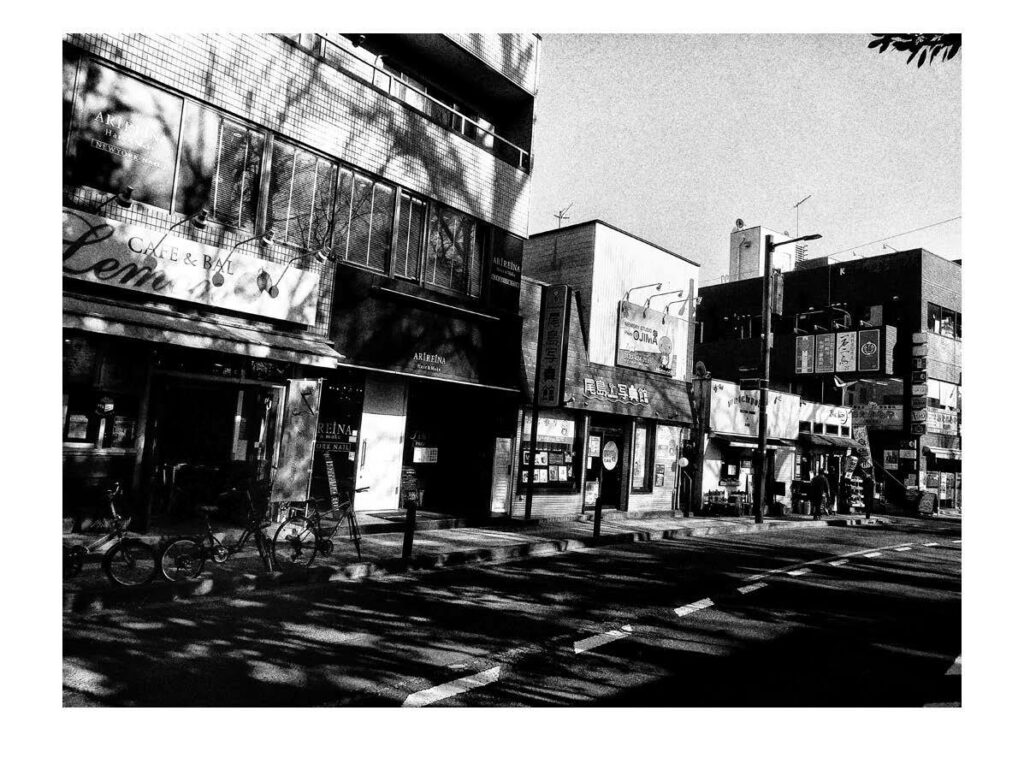
Lettre à N by Daido Moriyama is something else entirely. An intimate book mixing photographs and written fragments, almost like a fever diary. What you understand from reading it is that, for Moriyama, there is no separation between inner state and the image produced. He doesn’t photograph the world. He photographs what the world does to him. The distinction seems simple. It changes everything. And no camera body can teach you that. No lens either. No forum.
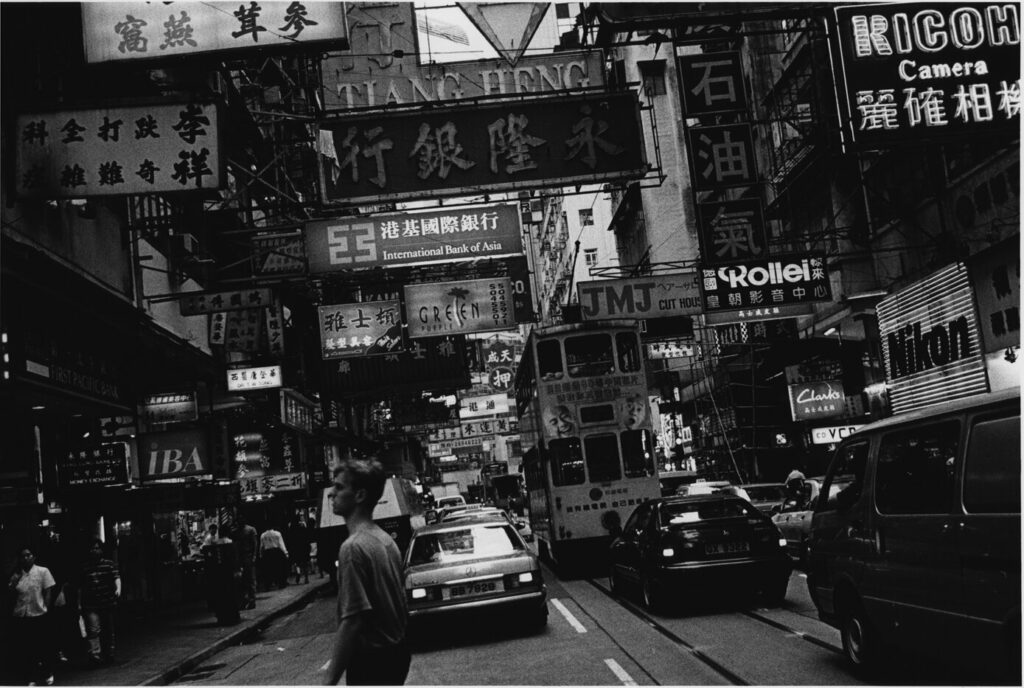
Michio Yamauchi works with the same material from a quieter place. Calcutta, Hong Kong—series that observe the crowd with a patience that feels like love. No provocation, no aggression. A presence. What stays with you after spending time with his work is a physical stance in the street: available without being predatory, invisible without being absent. You can’t buy that. It forms slowly, through repeated exposure to works that show you how someone else solved that problem.
It needs to be said: the photography industry understood long ago that the desire to improve can easily be redirected into the desire to acquire equipment. From a distance, the two look the same. Both create a sense of activity. But one fills a credit card, and the other fills an eye. They are not the same thing—and deep down, everyone knows it, even if they don’t want to admit it, because it’s easier to buy a lens than to spend three hours with a book that makes you uncomfortable.
Gear isn’t useless. Moriyama says it doesn’t matter, and he’s partly wrong. What matters is reliability—having something in your hands that won’t fail you at the wrong moment, that disappears during the act of shooting because it does its job without demanding attention. Reliability frees you. Performance traps you. A camera you admire during a session is a camera that steals mental space from what should occupy it. And that mental space is everything—it’s where it’s decided whether you actually see something or let it pass you by.
But reliability can be bought at a reasonable cost. Anything beyond that is desire dressed up as necessity.
Photographers whose work endures share one thing: a vision of the world singular enough that their images are instantly recognizable. Not equipment. Not a system. A way of seeing that resembles no other. That singularity doesn’t come from a sensor. It comes from years spent looking at powerful work—absorbing it, rejecting it, slowly building an inner framework that informs every shutter press without you even being aware of it.
That work is slow. It’s thankless. It doesn’t present well. You can’t post a photo of yourself looking at a Masahisa Fukase with the hashtag of the latest trendy camera body. It doesn’t generate admiring comments. It doesn’t spark heated forum debates. It doesn’t look like anything spectacular.
And yet, that’s where everything happens.
Buy books. Spend time with them. Come back a year later and see what you notice then.
The rest is noise.